Understanding Door Handle Mechanism: Types, Functions, and Maintenance
Door handles are an often-overlooked element of our lives, yet they play an essential function in the functionality and security of our homes and offices. While their primary purpose is to offer gain access to, the hidden systems can vary greatly, affecting how they work and their durability. This article will look into different kinds of door handle mechanisms, their functions, and essential maintenance tips.
Kinds Of Door Handle Mechanisms
Door handles can be found in several designs and mechanisms, each fit for different functions. Here are the most common types:
1. Lever Handle Mechanisms
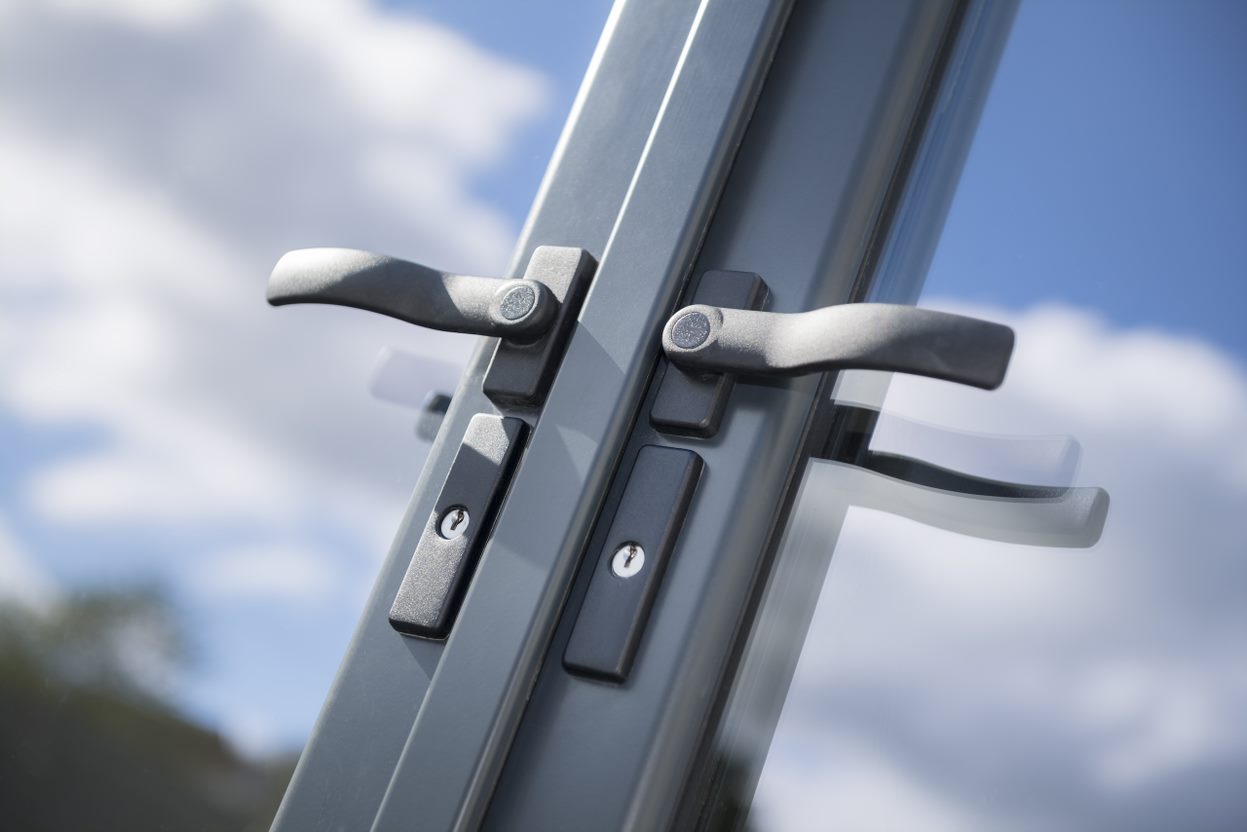
Often seen in residential and commercial settings, lever handles are popular due to their ease of usage. They feature a lever that, when pressed down, operates a latch or bolt. Lever handles can be spring-loaded or based upon a more complicated mechanism:
- Spring-Loaded Lever Handles: Utilize a spring to return the lever to its initial position.
- Locked Lever Handles: Feature an integrated locking mechanism, using increased security.
2. Knob Handle Mechanisms
Knob handles are a classic choice, defined by a round handle that must be turned to run the latch. While they can be aesthetically pleasing, they sometimes posture availability issues, specifically for young kids or people with impairments. There are 2 primary types:
- Single-Cylinder Knob Handles: Operated by turning the knob and usually need a secret for locking.
- Double-Cylinder Knob Handles: Use a secret on both sides, making them more secure however less practical in emergencies.
3. Push-Pull Mechanisms
Common in commercial buildings, push-pull handles provide a straightforward methods of accessing a space without the requirement for twisting or turning. These handles frequently include a basic rod mechanism that engages a lock when pressed or pulled.
4. Electronic and Smart Door Handles
With the increase of innovation, electronic door handles have acquired appeal, featuring keypads, biometric scanners, or smart connectivity. These ingenious systems provide increased security and convenience, allowing users to unlock doors using codes, fingerprints, or mobile apps.
5. Mortise Locks
Mortise locks incorporate the door handle mechanism within a pocket cut into the edge of the door. This design allows for a more robust locking system and is commonly used in high-end residential and commercial applications. Mortise locks normally offer deadbolts for added security.
6. Rim Locks
Rim locks are mounted on the surface of the door, making installation easier than mortise locks. They frequently accompany knob or lever handles and supply fundamental security features suitable for internal doors or secondary entrances.
How Door Handle Mechanisms Work
Comprehending how door handle systems function needs some understanding of their internal parts. Most systems run on the concept of a latch or bolt that secures or opens the door. Here's a streamlined breakdown:
- Latch Bolt: The main component that engages with the door frame to keep the door closed. When the handle is turned or pressed, the lock bolt withdraws, permitting the door to open.
- Strike Plate: This is a metal plate affixed to the door frame, which the lock bolt protects into when the door is closed.
- Escutcheon Plate: The decorative plate that usually surrounds the door handle, hiding the screws and providing the door an ended up look.
- Cylinder: In locking systems, the cylinder is where a secret is inserted to turn and protect or open the door.
Maintenance Tips for Door Handle Mechanisms
Routine maintenance makes sure that door handle systems operate smoothly and last longer. Here are some vital maintenance tips:
- Clean Handles and Locks: Use a microfiber cloth to clean down door handles routinely. Dust and dirt can build up in the mechanism, causing it to jam.
- Lube Moving Parts: Every 6 months, use a silicone-based lubricant to the moving parts of the mechanism to guarantee smooth operation. Prevent utilizing grease, which can attract dirt.
- Check for Tightness: Ensure screws and bolts are tight. Loose handles can cause endure internal elements and might need replacement quicker than expected.
- Inspect for Wear and Tear: Regularly inspect handles for indications of wear, such as scratches, damages, or rust. Changing damaged www.repairmywindowsanddoors.co.uk can prevent more substantial issues down the line.
- Test Locks: If the door handle functions a locking mechanism, check that the lock runs properly. If it jams often, it might need to be oiled or changed.
Regularly Asked Questions (FAQs)
1. What is the most common type of door handle mechanism?
The most common kinds of door handle systems are lever handles and round knobs. Each has its benefits, with lever handles normally being more available.
2. How do I select the right door handle for my home?
Think about aspects such as functionality (interior or exterior), security requirements, and aesthetic preferences when choosing a door handle. Likewise, think about the door material and density for compatibility.
3. Can I install a door handle myself, or should I work with a professional?
Lots of door handles can be set up with standard tools and DIY abilities. However, if you're uneasy dealing with door hardware or have distinct specs, hiring a professional is advisable.
4. How frequently should I keep my door handle mechanisms?
Regular maintenance must occur every 6 months, consisting of cleansing, lubrication, and examination for wear and tear.
5. What should I do if my door handle is sticking or jamming?
If a door handle is sticking or jamming, it might require lubrication or adjustment. Examine for loose screws and make sure the lock bolt is aligned correctly. If issues persist, think about seeking advice from a professional.
Door handle systems are essential to the security and accessibility of our areas. By understanding the different types and how they work, house owners and companies can make informed options concerning their door hardware. Regular maintenance is important to ensure these systems operate efficiently and stay reliable for several years to come. Whether opting for traditional designs or cutting-edge wise innovation, choosing the ideal door handle is an investment in security and convenience.